

Why Do Even Expensive Homes Feel Uncomfortable to Live In? The Hidden Design Mistake Most People Ignore
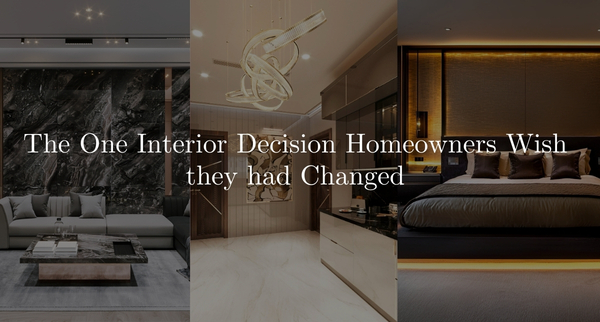
Many homeowners believe that a higher budget guarantees a better living experience. Premium furniture, imported materials, luxury finishes, and elegant décor are often seen as the ultimate markers of a perfect home.
Yet, a surprising number of expensive homes still feel cramped, confusing, inconvenient, and uncomfortable to live in.
So, what’s missing?
Smart space planning.
In reality, most comfort issues in luxury homes don’t come from poor material selection or weak aesthetics they come from poor layout planning at the very beginning.
The Real Meaning of Comfort in Interior Design
Comfort isn’t about how luxurious your home looks. It’s about how effortlessly you can live inside it.
True comfort means:
- Smooth movement flow
- Well-defined activity zones
- Balanced lighting
- Intelligent furniture placement
- Efficient storage solutions
- Easy daily functionality
When space planning is wrong, even the most expensive homes start feeling mentally and physically tiring.
During project consultations, we often hear:
- The house looks great, but it feels congested.
- The kitchen workflow is uncomfortable.
- There is never enough storage.
- Furniture blocks natural movement.
- The home doesn’t feel relaxing.
These problems are rarely design failures.
They are planning failures.
Why Does Poor Space Planning Happen?
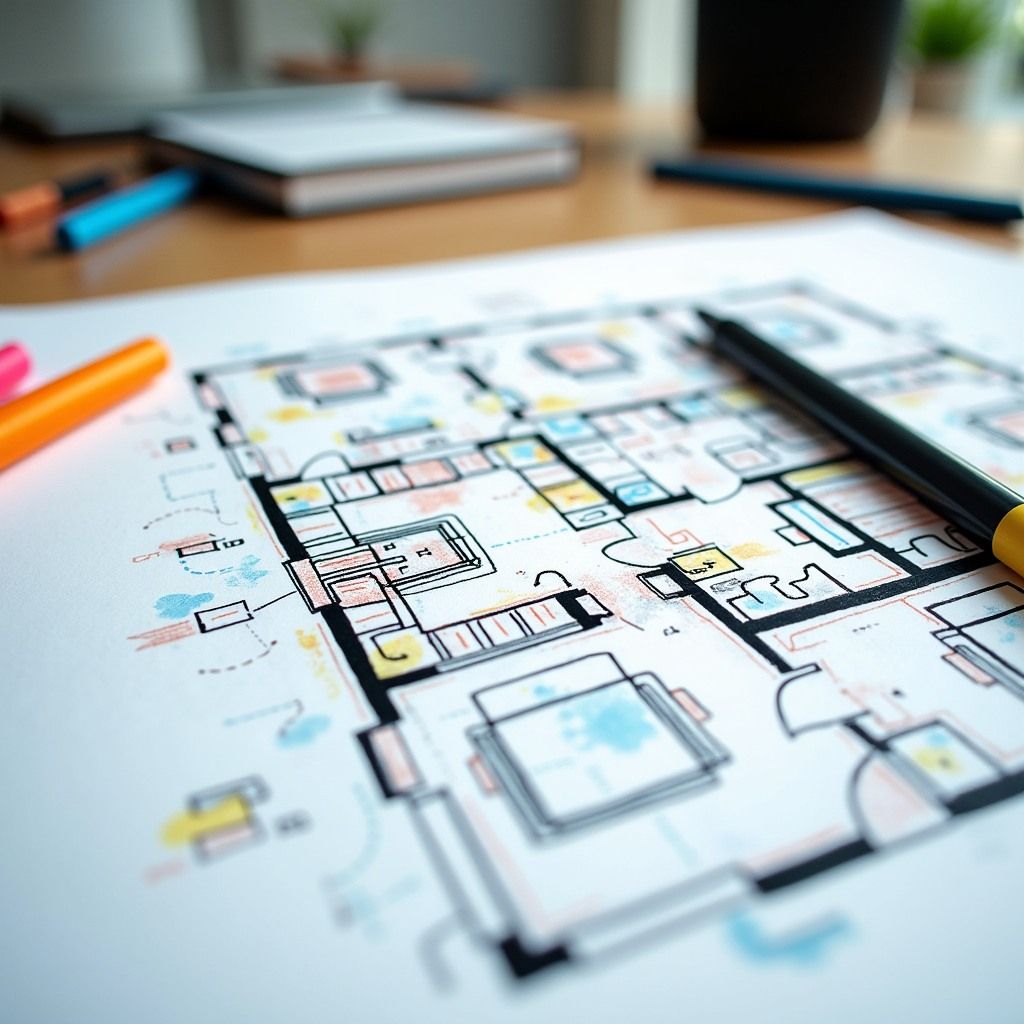
- Aesthetic-First Approach
Many homeowners prioritize visuals before functionality. Pinterest layouts and Instagram inspiration often dominate decisions, without understanding spatial practicality. - Copy-Paste Layout Thinking
What works beautifully in one home may fail completely in another due to different sizes, orientations, lifestyles, and structural layouts. - Ignoring Lifestyle Patterns
Each family has a unique lifestyle. Without studying daily routines, storage needs, privacy levels, and usage flow, layouts become misaligned. - Rushed Early-Stage Decisions
Layout planning is often rushed, while décor decisions get excessive attention. Unfortunately, once layouts are fixed, mistakes become expensive to correct.
The Cost of Poor Space Planning
Bad planning doesn’t just impact comfort it impacts long-term satisfaction and maintenance.
It leads to:
- Continuous inconvenience
- Reduced storage efficiency
- Higher renovation costs
- Poor energy efficiency
- Mental fatigue in daily living
In short, bad layouts silently drain both money and peace of mind.
What Smart Space Planning Really Looks Like
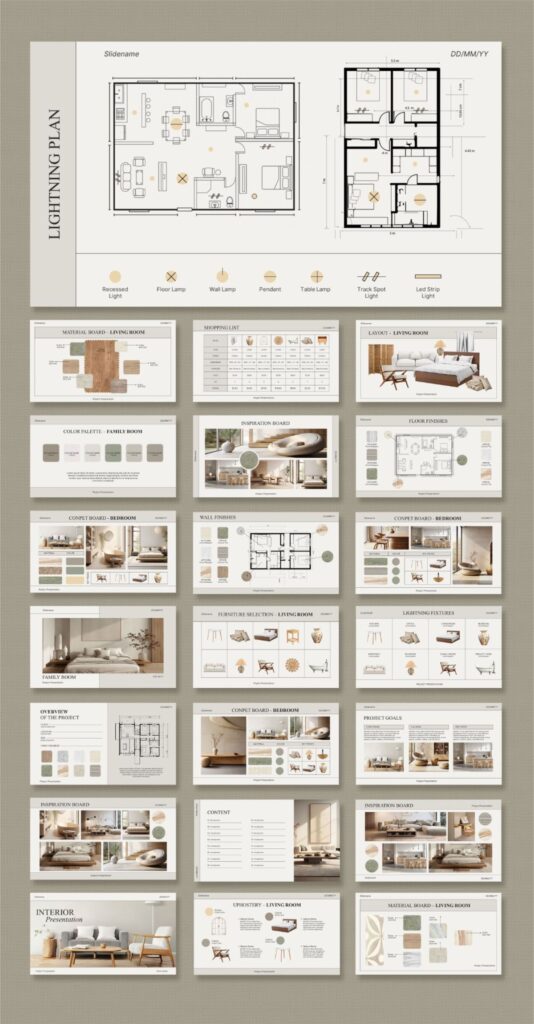
It includes:
- Detailed lifestyle analysis
- Activity zoning
- Traffic flow mapping
- Ergonomic measurements
- Furniture circulation planning
- Lighting and ventilation integration
- Storage psychology
This ensures that every square foot serves a purpose enhancing both comfort and efficiency.
Why Luxury Begins With Planning, Not Materials
Luxury isn’t about expensive finishes. Luxury is about how effortlessly your home supports your life.
A well-planned 1,500 sq. ft. home can feel more premium than a poorly planned 4,000 sq. ft. villa.
Because:
Comfort = Intelligent Planning + Thoughtful Design
Final Thought
Great interiors don’t begin with tiles, sofas, or wallpapers.
They begin with clarity, planning, and human-centered design thinking.
If your home feels comfortable, calm, and functional that’s true luxury.


